The Shop, Chelsea
Granny Takes a Trip, 488 Kings Road, Chelsea (Read)
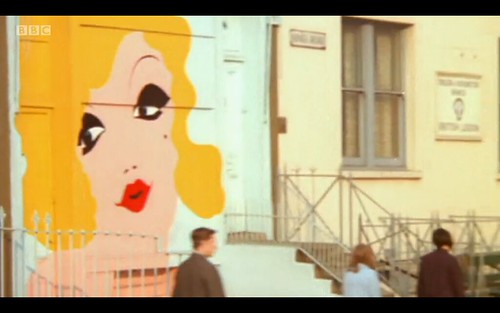
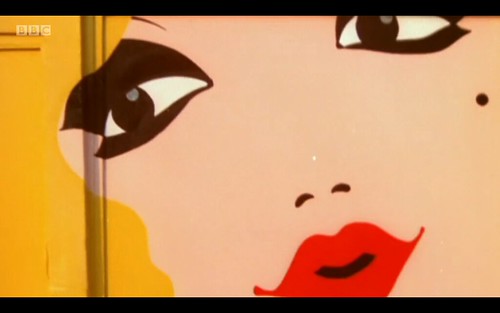
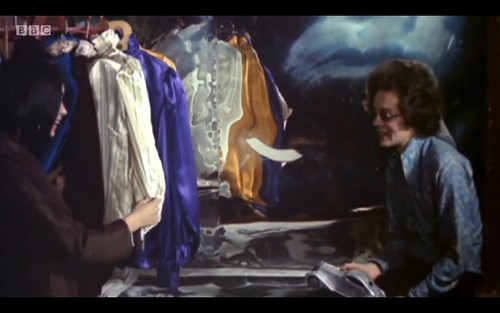
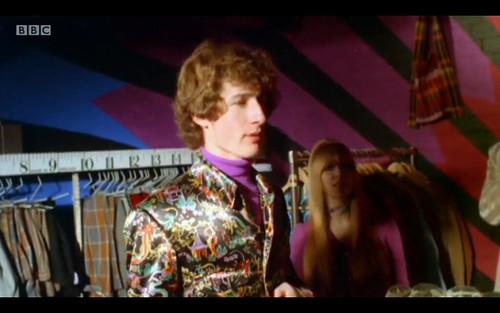
The Antiques Supermarket (predecessors to today's vintage shops)
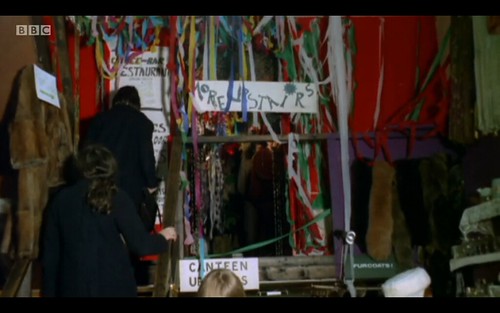
I Was Lord Kitchener's Valet, 293 Portobello Road, W10 (Read)
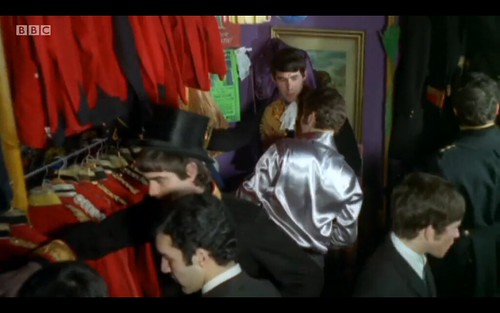
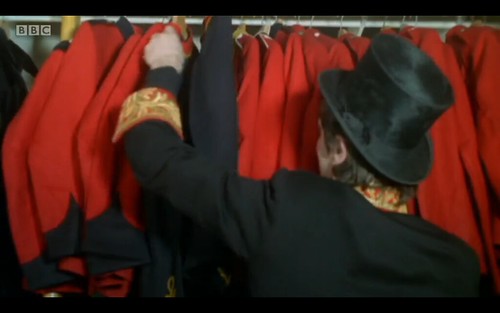
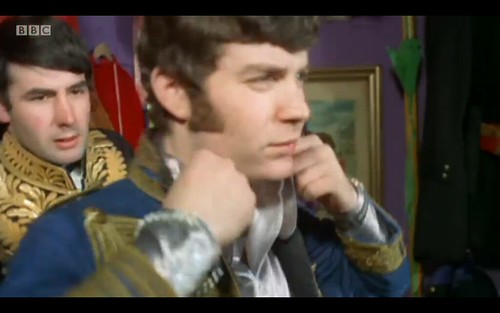
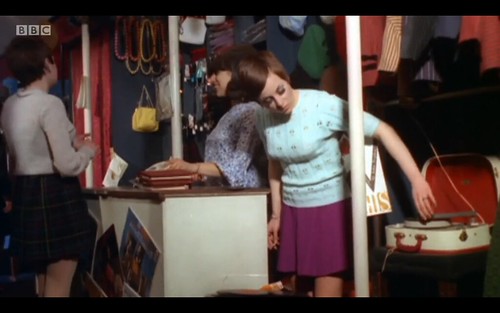
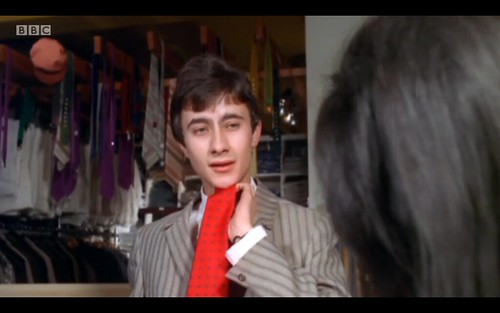
Other clothing stores on Carnaby Street and Kings Road
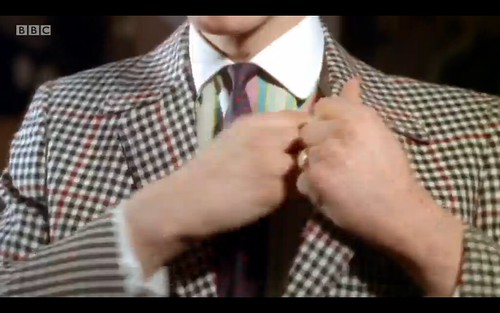
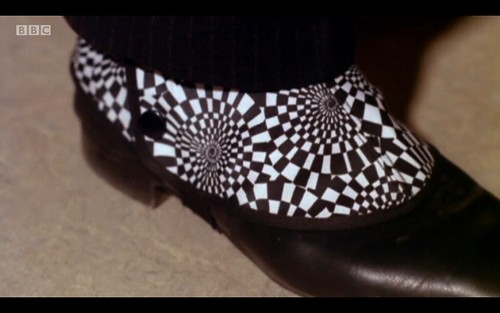
Nightclubs - Tiles, Flamingo Club, UFO Club
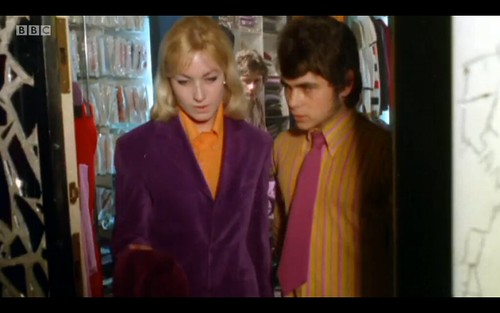
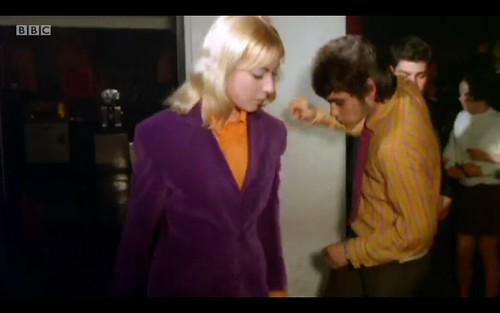
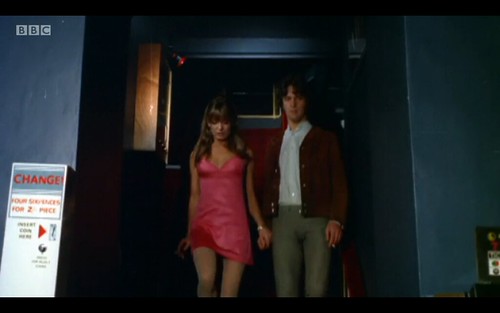
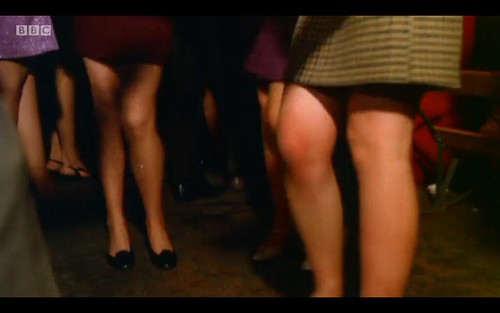
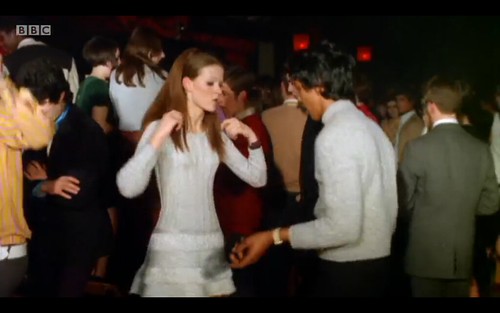
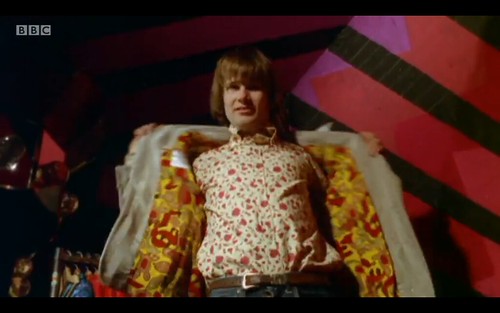
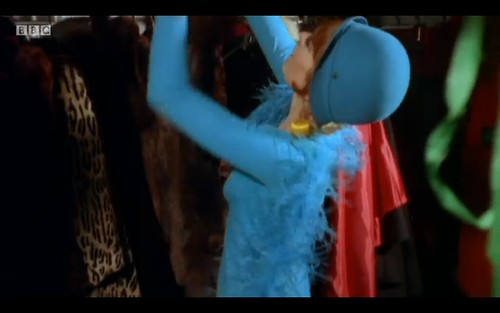
BBC iPlayer have some great documentaries that you can watch up to a week or two weeks after they've aired on TV. As I'm in Ireland I couldn't previously watch these online, but a friend suggested a plugin for Google Chrome and Firefox called Media Hint. It takes mere minutes to install and within half an hour I had access to some great docs, including the above BBC4 'Timeshift' series doc Britain on Film: Dedicated Followers of Fashion focusing on the fashions of the 1960s. In this documentary series they take the footage of 'Look at Life', a regular British series of short documentary films of which over 500 were produced between 1959 and 1968 by the Special Features Division of the Rank Organisation for screening in their Odeon and Gaumont cinemas.
It portrays everything that was exciting about the early to mid 1960s, I love the Dandy fashions for men, those jackets, those linings! The explosions of colour, the mix of the antique with the modern. It always seems so strange to me, what we consider antique now were relative to them, as to how we regard the fashions our parents wore. Edwardian, art deco clothing would have been much easier to get a hold of them, and at much reduced prices to now. I think this one of the many reasons why I hold such a nostalgia for that period of time, of seismic change. Of course, if I had been growing up in rural Ireland then I wouldn't have had those opportunities to act out, unless I became a nurse and moved to London as many generations of Irish women before me have done. Lets not forget that the rent was affordable then! Such an exciting time appeals to me, as in the midst of a recession, as a young person I feel a lot around me is stagnant, but the prices are higher than ever.
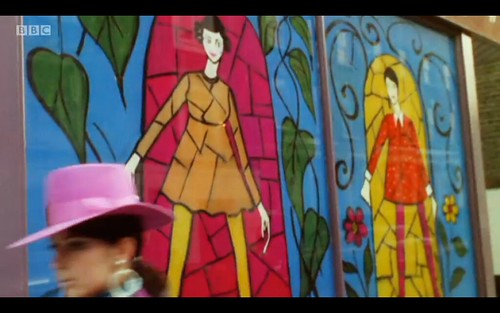
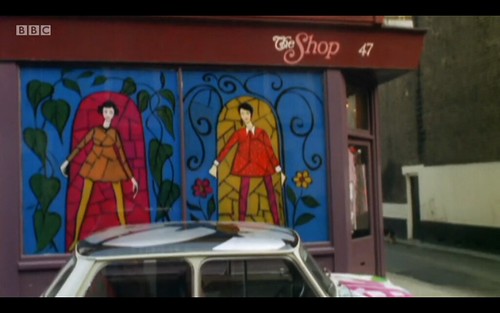
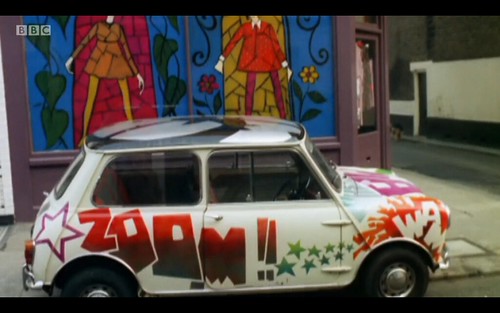
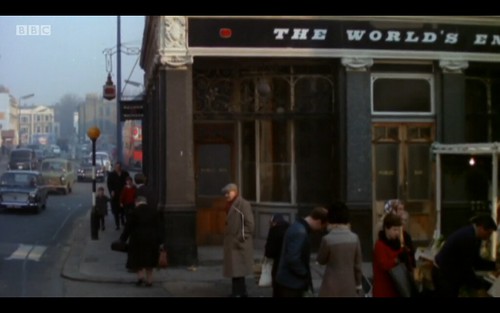
I think my favourite outfits above is the girl in the purple velvet jacket with the orange shirt, two of my favourite colours, she looks so sharp and confident! I love the arts and crafts inspired window of The Shop, with a mod twist! Perhaps I am viewing that period through rose-tinted glasses, but even watching the nightclub footage it seems that efforts were made for a social purpose, and not a commercial one. If you walk through Chelsea today, you'll see what I mean.
You can view my full flickr album here.
If the above pictures have caught your interest you can watch the 30min documentary on YouTube (as I only discovered this afternoon):
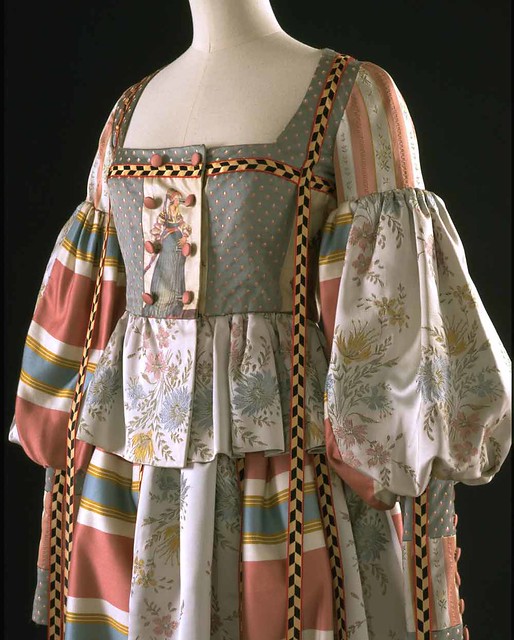
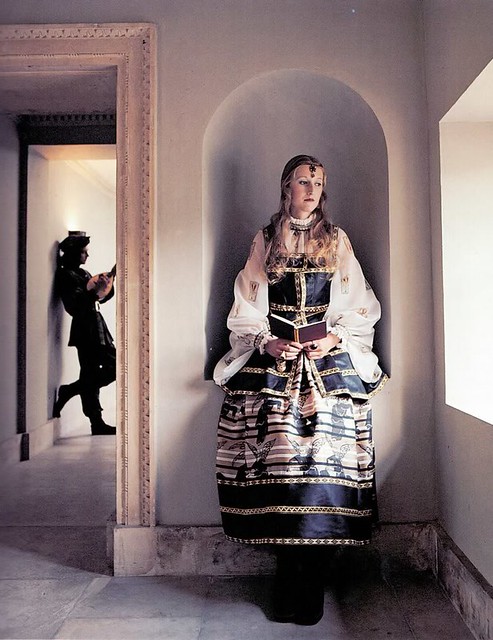
Top: Detail of Renaissance evening outfit, Bill Gibb, 1972, V&A
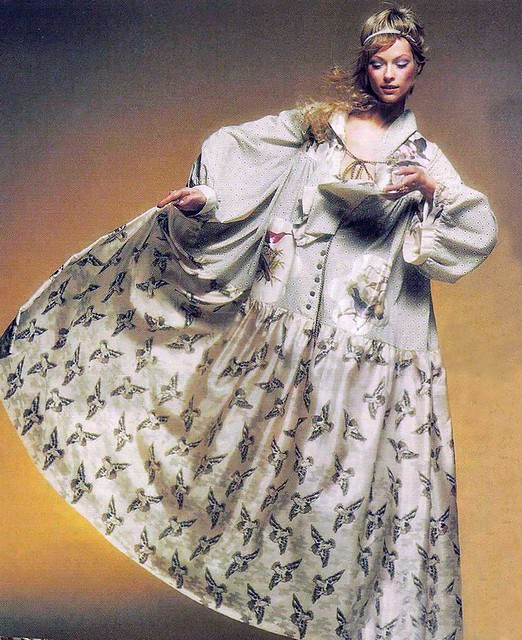
Bottom: Bill Gibb designs, early 1970s
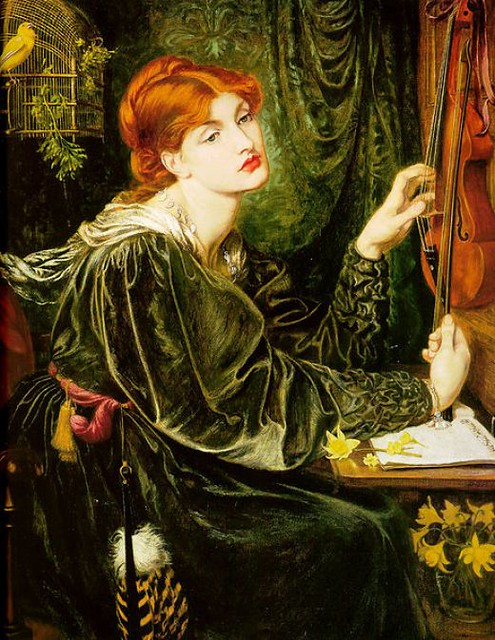
Before I became a student of art history I was bewitched by the exuberant romance of Pre-Raphaelite paintings. The sensual drape of a fabric was evocative of a mood, an allusion to desires at odds with conservative Victorian society. The 1960s and 1970s witnessed a revival of the Pre-Raphelite mode of feeling, reflected in the clothing of the period.
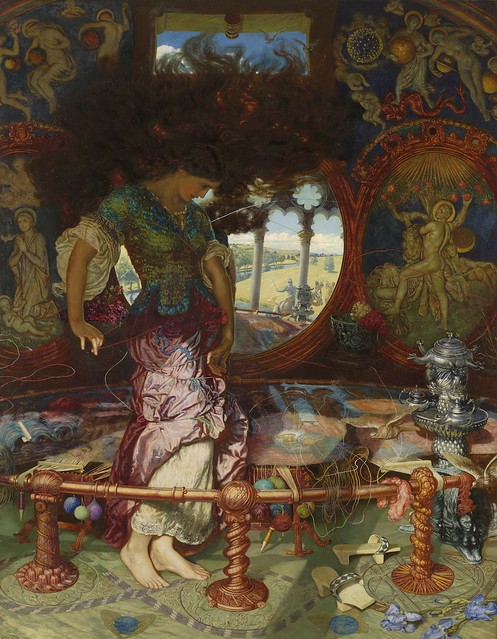
Top: The Lady of Shalott, c. 1886-1905, William Holman Hunt
Bottom: Veronica Veronese, c. 1872, Dante Gabriel Rossetti
As the 1960s entered their full swing, fashions became more daring as new vibrant chemical dyes flooded the market and fed the appetite for psychdelic prints. In this decade we saw the introduction of the womens liberation movement, and in response the hemlines became higher as women's dress became more outrageous. Toward the end of the decade, as austerity set in, a wave of ennui hit the younger generations, who witnessed the destruction of many historic buildings as the downside of rapid urbanisation and modernisation became apparent. Responding to the rapid population growth in urban areas, high rise concrete building began to dominate the skylines of the major cities, particularly London. The demand for social housing grew, and a generation of young people grew disenchanted with modern living, turning, as the Victorians did, to what they saw as a more rural, authentic way of living. In the cities they expressed this desire through their clothing. By the time the 1970s came round Victorian eclecticism shook out its extravagant skirts as it sashayed back into vogue. Enter Bill Gibb.
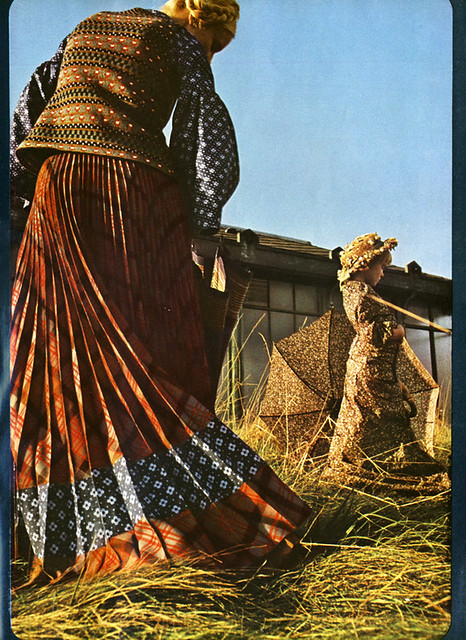
Top: Bill Gibb editorial, photographed by Sarah Moon from Vogue, January 1970 (source)
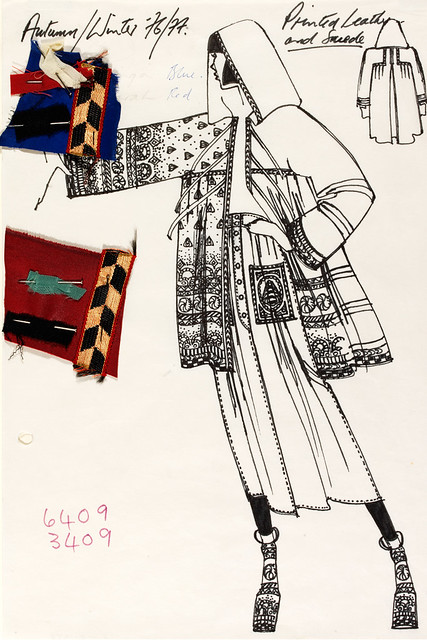
Bottom: Autumn/Winter 1976/77 designs from Bill Gibb, from the V&A
Bill Gibb's roots couldn't have been more pastoral. Born in rural Scotland in 1943, Gibb was the son of a dairy farmer. His talent for drawing was noticed by his art teacher, who encouraged the young Gibb to move to London in 1962 to study at St. Martins School of Art. He graduated first in his year and gained a scholarship to the Royal College of Art in 1966, where he studied under the legendary Janey Ironside. At the close of the decade, a number of key British talents emerged from the college, namely Ossie Clark, Zandra Rhodes, Anthony Price, and Gibb himself. Thus Gibb became an active member of the British Boutique Movement.
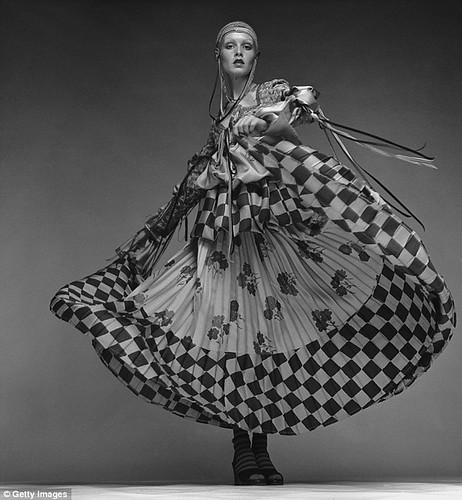
In 1971, Bill Gibb made a splash onto the international fashion scene as he dressed Twiggy (pictured) for her appearance at the premiere of Ken Russell's The Boyfriend, a movie in which she also starred. In 1972, he established his independent label, he debuted his first solo collection at the Oriental Club in London.
Gibb was unconventional, his designs responded to the growing romantic trend of the late 60s/early 70s, the free spiritness of the Woodstock generation personified this mood, and his creations took their inspiration from the Medieval Renaissance and the East. He combined rich fabrics, textures and hand embroidered patterns. Gibb’s most recognizable motif was a bee (B for Bill) which he utilized in the form of enamel bee buttons and knitwear with bee designs (how very Arts and Crafts!). Twiggy, Bianca Jagger, Anjelica Huston and Elizabeth Taylor counted among his celebrity following.

Bill Gibb with his models, 1970s (source)
By the 1970s Gibb was influenced by the Hippie movement, and the rising popularity of the 'handmade' artisan crafts. With his partner, the artist turned knitting guru, Kaffe Fassett, Gibb's knitted designs became what he was best known for. His designs and knitwear were undoubtedly influenced by his Scottish roots, and his love of history and fantasy. Like the Pre-Raphaelites before him, the costumes of the Renaissance informed and inspired his designs. The lure of the exotic also features heavily in his gowns, with luxurious fabrics, silks, leather and furs, translated into eclectic styles such as a hareem style trouser suit or a billowing Holbein print gown. The pastoral influence was never far away, with folk style dresses, evoking the fairy tales of Bavaria and Eastern European traditions. Just as the folk tales of Europe share common themes, the creative exchange between Gibb's Celtic eclecticism and Eastern influences met in a rich melting pot, where art became fashion.
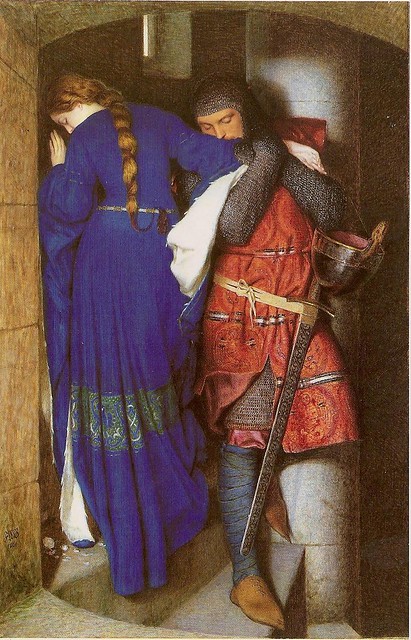
Top: Hellelil and Hildebrand the Meeting on the Turret Stairs, 1864, Frederic William Burton
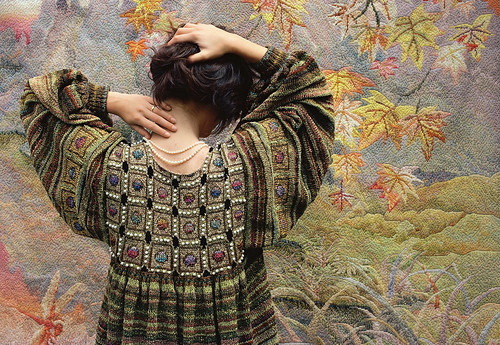
Bottom: A Chenille and Lurex dress designed by Gibb, knitted by Kaffe Fassett with actual pearls, in front of one of Fassett's needlepoint tapestries (1970s)
The romance of the medieval beloved by his predecessors the Pre-Raphaelites, featured heavily in Gibb's designs. The revival of craft, first promoted in the nineteenth century by William Morris, in line with the medieval craft guild tradition, was also a popular feature of the fashions of the late 1960s and early 1970s. Gibb worked closely with Kaffe Fassett, executing highly skilled designs in wools and silks, as close to haute couture that British fashion designers at this time attained.
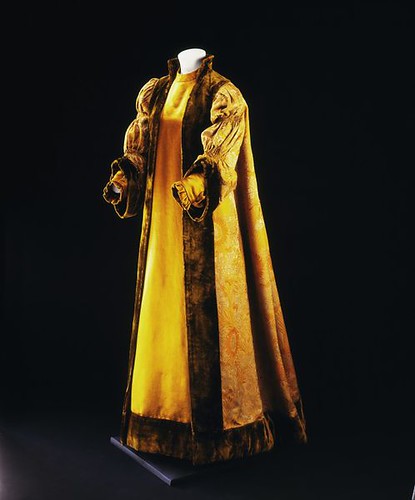
Top: Liberty evening gown, 1897
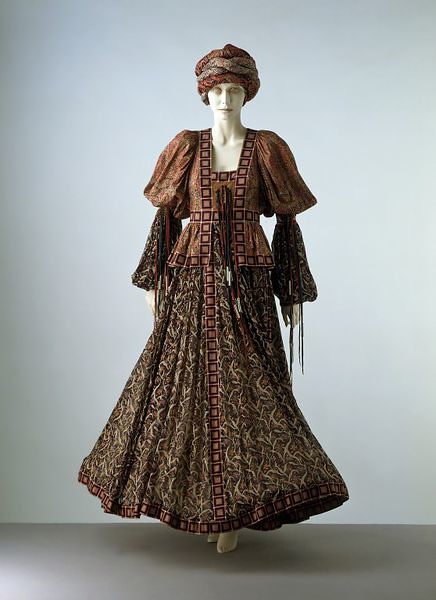
Bottom: Bill Gibb evening dress, 1972, worn by Sandie Shaw, V&A collections
The Victoria and Albert museum is the world's foremost museum for design, throughout its 150 years the exhibits have inspired generations of artists. Comparing the Liberty gown with Gibb's design almost a century later, it is probable that Gibb was one of the many art students who came to the V&A to be inspired by generations past. Gibb favoured leather, suedes and wool crepes in his dramatic clothing, often adorned with lavish embroidery, clothing that evoked the romanticism of the medieval, but in contemporary, comfortable fabrics, much in line with the Aesthetic dress movement of the nineteenth-century. The V&A museum holds a number of Gibb designs in its collection now.
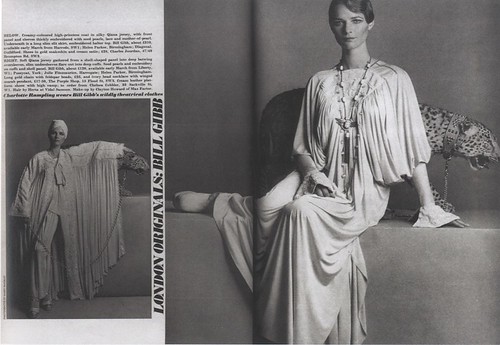
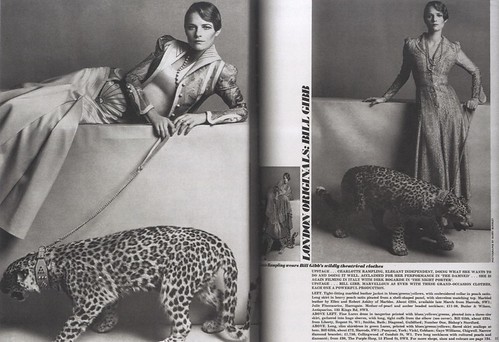
Charlotte Rampling wearing Bill Gibb designs, from a 1971 issue of British Vogue (source)
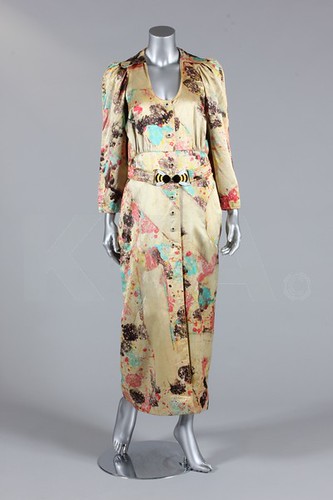
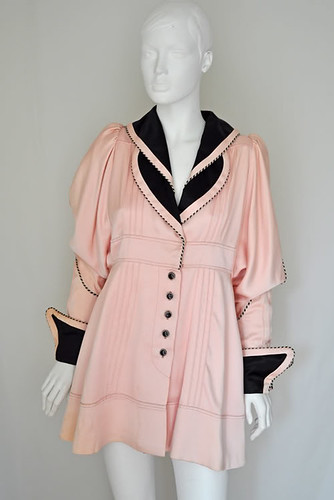
Some of Gibb's designs are more contemporary, playing with the art deco decadence promoted most notably by the Biba look, as seen in the Charlotte Rampling editorial above and the designs below. The two dresses (seen below) remind me of Edwardian tea gowns, in terms of fit, and the materials used (silks and wools).
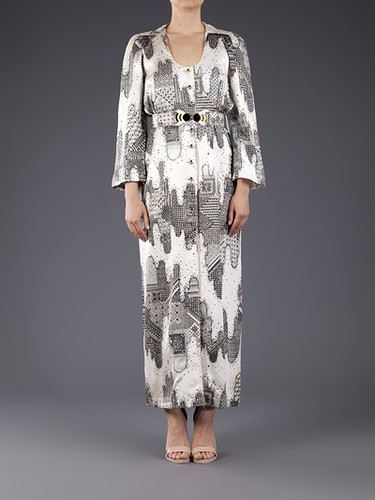
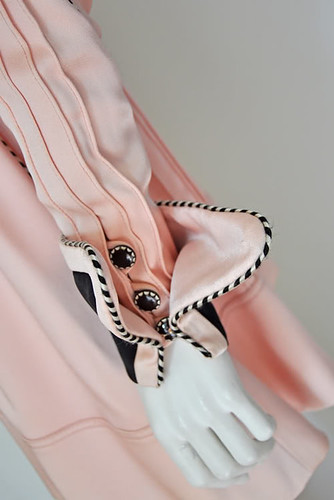
Top: 1970s Bill Gibb maxi dress with his signature bee motif (source)
Middle: Bill Gibb psychedelic marbled printed satin maxi dress, from his debut independent collection, Autumn-Winter, 1972 (source)
Bottom: Bill Gibb 1970s pink satin coat
Throughout his life, Gibb remained much like his childhood self, the boy who 'had raided a dressing-up box to transform his sisters into minature Rapunzels or wee Ladies of Shalott'. Gibb had too much of a romantic outlook, and his romantic vision was at odds with the fashions of the 1980s. Like so many members of the British Boutique Movement, Gibb was an artist, a visionary, but a poor businessman. His own label struggled financially, particularly in the 1980s as the romance of his designs struggled in the decade of monochromatic modernism, all sharp shoulders, where for the modern woman, androgynous suits reigned. In 1985, he showed at London Fashion Week in a collaboration with Fassett, to renewed critical acclaim. It appeared that his career might be rejuvinated. Sadly, in 1988 Gibb died an untimely death, as a result of bowel cancer. His influence on generations of designers cannot be underestimated, but in the wider sphere, he is less recognised. A handful of exhibitions have commemorated Gibb's unique vision, a retrospective exhibition at Aberdeen Art Gallery in 1990, and more recently he has been rediscovered with the release of Iain Webb's book on Gibb, with two exhibitions: Bill Gibb: A Personal Journey at the Fashion Museum, Bath (17 October 2008 - 2009) and Billy: Bill Gibb's Moment In Time at the Fashion and Textile Museum (November 2008 - January 2009).

Bill Gibb and Kaffe Fassett, 1960s
Read more:
Style Bubble / Gift of the Gibb
Vintage Fashion Guild: Bill Gibb
Suzy Menkes / Bill Gibb: A bittersweet story of a forgotten designer (The New York Times)
Bill Gibb: Fashion and Fantasy, by Iain Webb
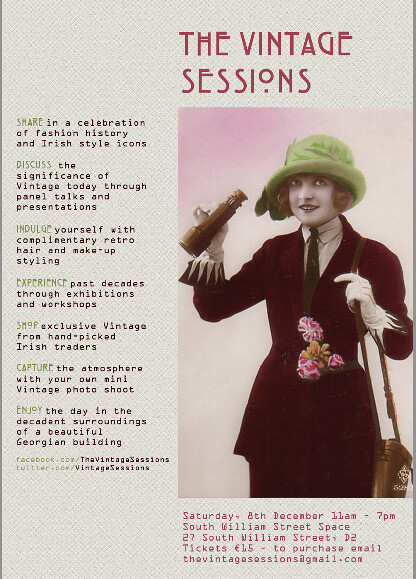

Ruth and Irene, the ladies behind The Vintage Sessions
Before Christmas I had the pleasure of attending the first event of its kind in Dublin. The first (of hopefully many) Vintage Sessions took place on December 8th. Somewhat fittingly December 8th is traditionally the date when country folk, from my neck of the woods, make the day trip to Dublin to do their Christmas shopping. A couple of my friends ribbed me for this!
I've been a fan of Irene O'Brien's blog Vintage Irene for a while now, so I knew that the event would be authentic in every respect. Events of this kind are regularly held in the UK, where the audience is larger, so it felt exciting to be a part of something so niche, within an Irish context.
I was so absorbed in the days talks that I neglected to take any pictures, here are the only three I have:
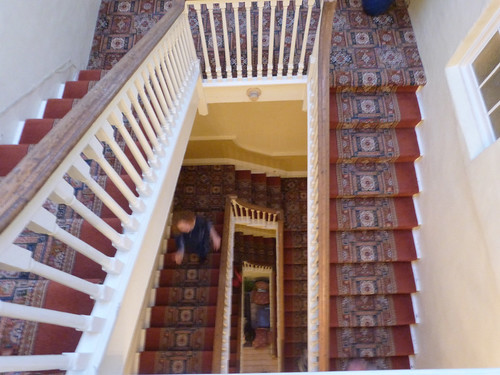
The formidable staircase of No. 27 South William Street

Gúna's on display from Dirty Fabulous
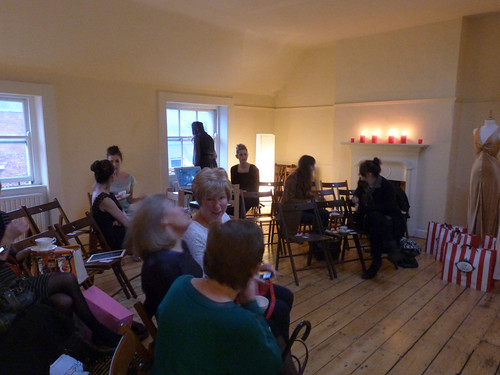
The intimate setting of the day's talks, on the top floor
The South William Space was the setting for the day, an impressive Georgian townhouse, in the fashion quarter of Dublin. Upon entering you ascend the staircase, and passing by each room peeping in to see what treasures lay within. My purse was light so I merely had a browse around some of the vintage trader's pop-up shops: After Sybil, Dirty Fabulous, Om Diva, Dandelion Daydreamer Vintage, Carousel, Golly Gosh Boutique, Elsa & GoGo Boutique and Alice at Home Interiors were all there for the day.
I was most looking forward to the fashion history talks, curated by Ruth Griffin, co-organiser of the Vintage Sessions. They ran as follows:
- The Evolution of the Creative Quarter and the Rise of Vintage in the Area
- The Lost Fashion History of South William St by fashion historian Ruth Griffin
- 1940s Irish Fashion, by photo historian Orla Fitzpatrick
- Forgotten Irish Style Icons by fashion historian Ruth Griffin
- Vintage in Ireland Today and why so many are choosing to turn their passion in to a career (Sarah of The Licentiate was on this panel, along with Irene O'Brien and the co-owner of Shotsy Vintage in Temple Bar.
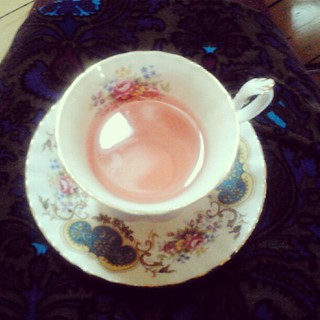
When you reached the top floor, breathless, you were rewarded with pomegranate and prosecco cocktails in gorgeous vintage crockery, from Me Auld China.
It was a truly enlightening day, both in terms of subject matter, and the people I encountered. I finally met Sarah Licentiate and got to speak to photo historian Orla Fitzpatrick who runs a truly fascinating website Jacolette.com where she draws largely from her personal collection of antique photographs, and uses them to draw out the social history of Ireland at the time, using clothing such as hats as clues to date the photos!
Keep your eye on the Vintage Sessions facebook page for news of future events! I'll see you there.
Sarah of the Licentiate blogged about this event last week, which reminded me that I had meant to write something myself.
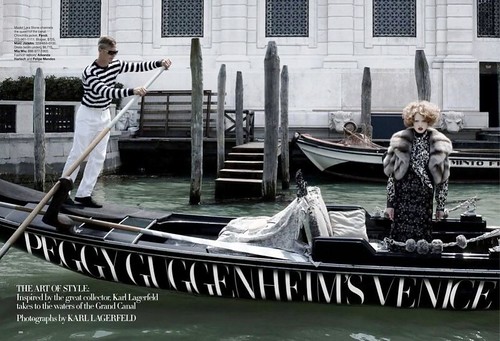
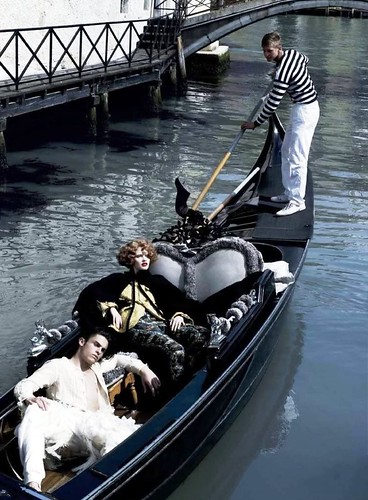
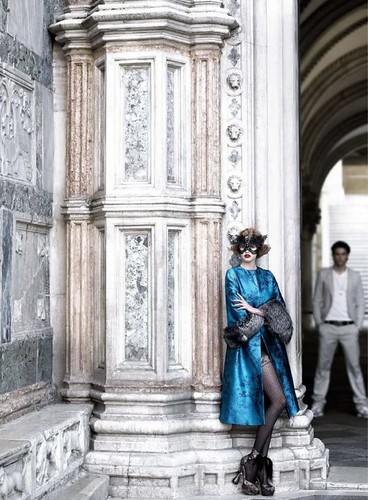
Pictures from Peggy Guggenheim's Venice, models Lara Stone and Baptiste Giabiconi, photographed by Karl Lagerfeld for Harper's Bazaar, September 2009. Styling by Amanda Harlech and Felipe Mendes.
I was at the Peggy Guggenheim again on Monday, chatting to some of the interns there, and inevitably we got on to the topic of Peggy's eclectic personal style. Here I was alerted to the existence of this editiorial, from Harper's in 2009. The glamour of the Italians and the picture perfect setting of Venice, I'd seen it all before, but not quite like this! The bright colours, luxurious fabrics and glittering glamour all recall bold Italian style.
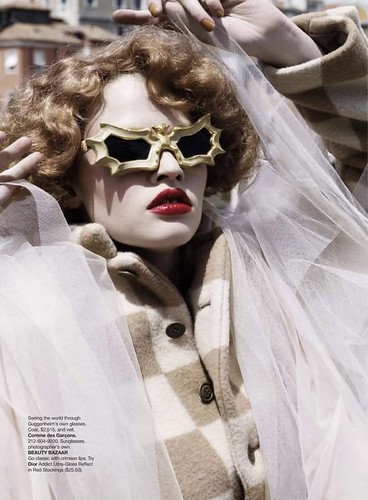
An original pair of Peggy's glasses, Lagerfeld donated these from his own personal collection to the PG Museum.

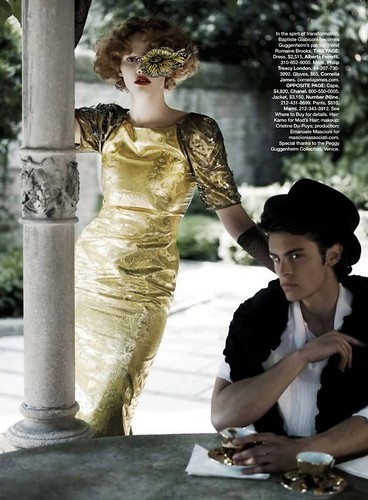
Alexander Calder petal mobile, 194-

Peggy Guggenheim (1898 – 1979), American expat, socialite, lover, taste-maker and heiress to a mining fortune, preferred to spend her money on art rather than fashion, as a young woman she resolved to "buy a picture a day". Her taste in clothing was as avant garde as her art choices. She was a generous patroness of Alexander Calder and Jackson Pollock. Her favoured companions were her 14 beloved dogs.
Peggy came to Venice in 1949 after being invited to exhibit her personal collection at the Venice Biennale. Shortly afterward she moved in the Palazzo Venier dei Leoni. Since her death in 1979, the museum has been open to the public. It was exciting to recognise many of the locations used here. Her beautiful palazzo looks directly out onto the Grand Canal.
Read more.
Source

