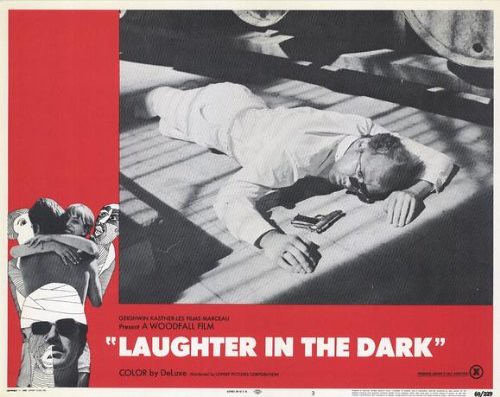
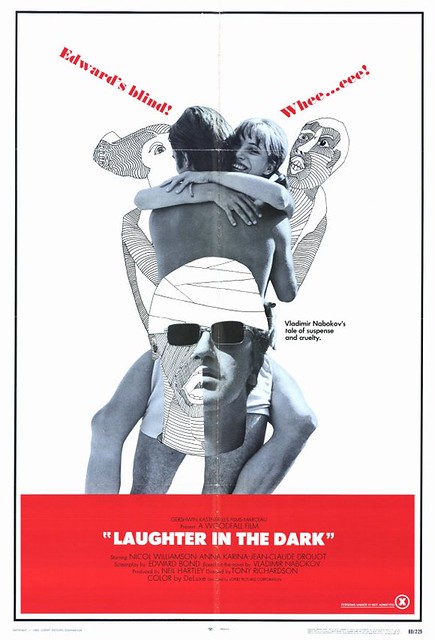
'Edward's blind! Whee...eee!'
Nabokov's book was published in Paris, in 1933 in his native Russian under the title of Kamera Obskura. The author's own English version, under the title of Laughter in the Dark was published in the USA in 1938, and published in the UK in 1961.
The film, now lost, was directed by Tony Richardson, then the David Bailey of the silver screen, who made his mark with gritty British dramas such as A Taste of Honey (1961) and The Loneliness of the Long Distance Runner (1962). It appears that the dramatic action is taken from 1930s Berlin to the 1960s (present day, when it was released in 1969). This suspenseful story of an unexpected menage á trois, concludes with devastating consequences.
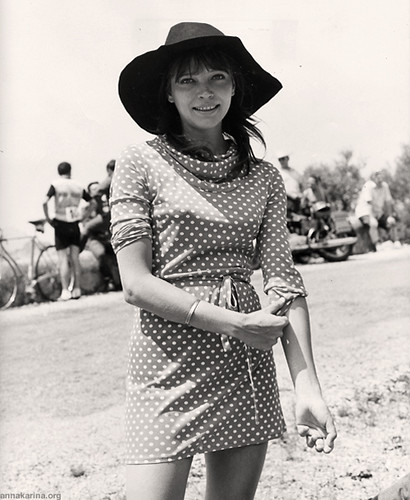
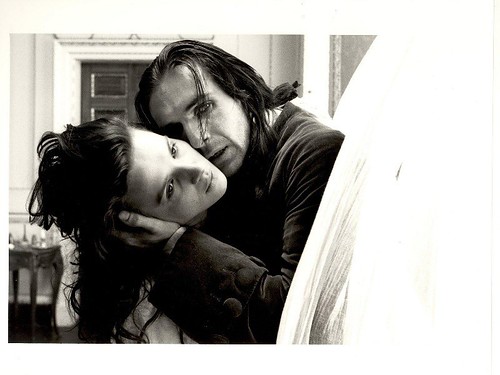
Anna Karina on the set of 'Laughter in the Dark' (1969)
Anna Karina plays the lead fille fatale role of the precocious teenager Margot. Born in Copenhagen, Denmark in 1940, Anna Karina was the original indie IT girl, beginning her career in Paris at 18, as a model for Chanel and Pierre Cardin, before her foray into film with some bit parts, until she met and later married the French new wave director Jean-Luc Godard, and the rest is cinema history.
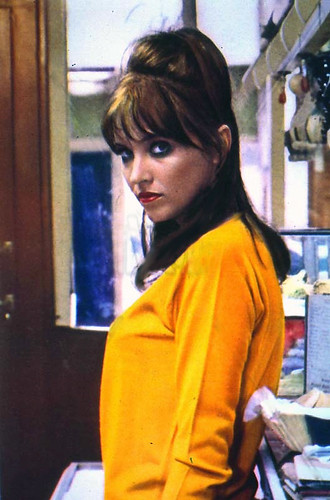
'A vulgar little Berlin girl'
The mystery of the film's disappearance has intrigued me for a couple of years, and fascinated by the plot, I had intended to read the book ever since. Last autumn, I came across a 1960s Penguin copy of the Nabokov novel in a charity shop and finally got around to reading Nabokov's incredibly visual story. The use of images from the film enhances its mystique for me, we'll never see this drama unfold onscreen. I've included excerpts below, with official stills from the film, in an attempt to piece together what the screen version may have been like.

1969 Penguin cover
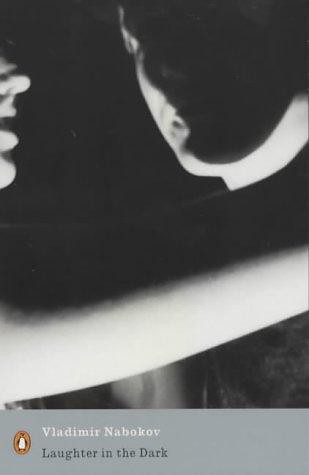
2001 Penguin Classics cover, using what appears to be a scene from the 1969 film, as seen below
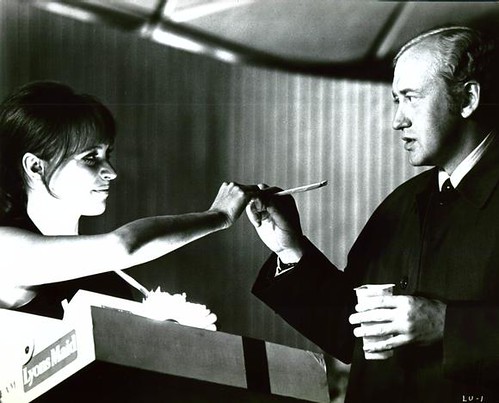
"Hardly had he entered the velvety darkness when the oval beam of an electric torch glided towards him (as usually happens) and no less swiftly and smoothly led him down the dark and gently sloping gangway. Just the light fell on the ticket in his hand, Albinus saw the girl's inclined face and then, as he walked behind her, he dimly distinguished her very slight figure and the even swiftness of her dispassionate movements." (Nabokov, 13)
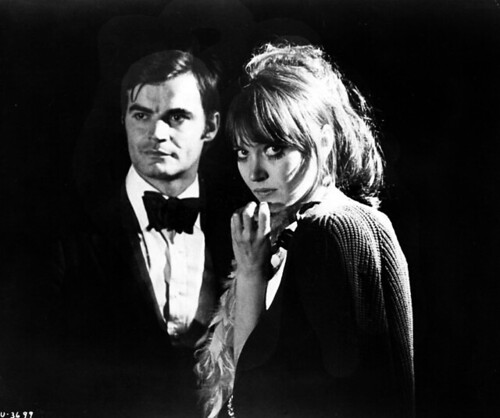
"And she liked Miller enormously. There was something so satisfying about the grip of his hands, the touch of his thick lips. He did not speak to her much, but her often held her on his knees and laughed quietly as he mused over something unknown." (23)
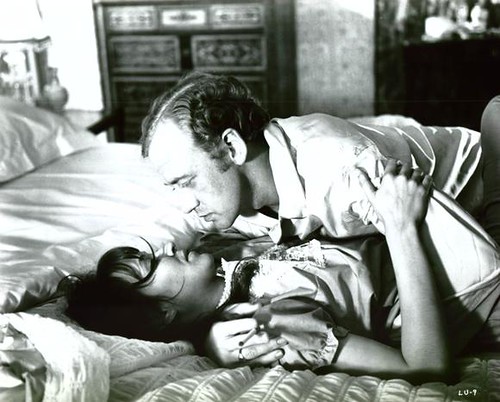
"He kept discovering new charms in her – roaching little things which in any other girl would have seemed to him coarse and vulgar. The childish lines of her body, her shamlessness and the gradual dimming of her eyes (as if they were being slowly extinguished like the lights in a theatre) roused him to such frenzy that he lost the last vestige of that diffidence which his prim and delicate wide had demanded of his embraces."
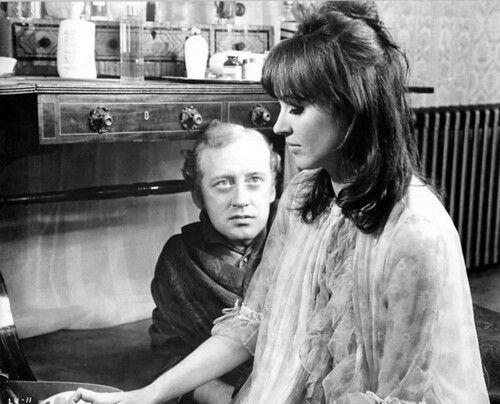
"Something was destroyed for ever; no matter how convincingly Margot tried to prove that she had been faithful to him, everything would henceforth be tainted with a poisonous flavour of doubt." (147)
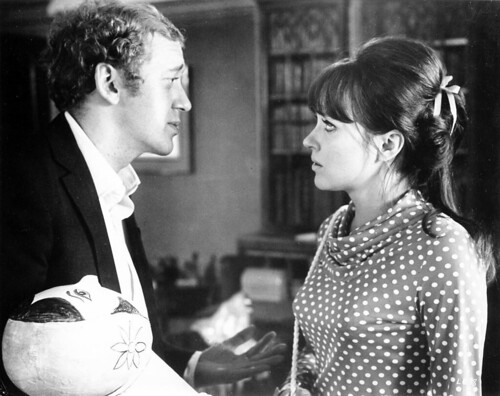

"Margot slowly drew herself up higher and higher, like a snake when it uncoils ... 'I can't go on being only your mistress,' she said, pressing her cheek against his tie, 'I can't. Do something about it. Say to yourself tomorrow: I'll do it for my baby! There are lawyers. It can all be arranged.'" (126)
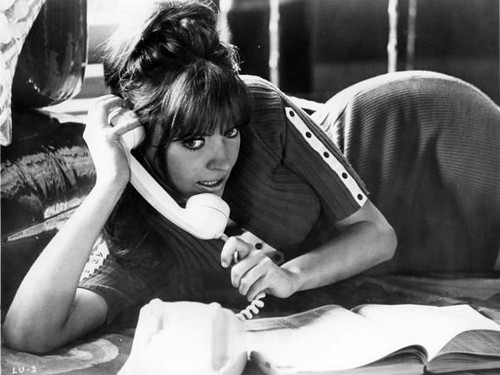
"She amused herself in the way Rex had recommended: lying comfortably in a bright chaos of cushions, she consulted the telephone book and rang up unknown individuals, shops and business firms. She ordered prams, and lilies, and radio sets to be sent to addresses selected at random; she made fools of worthy citizens and advised their wives to be less credulous … she received wonderful declarations of love and still more wonderful curses." (108)
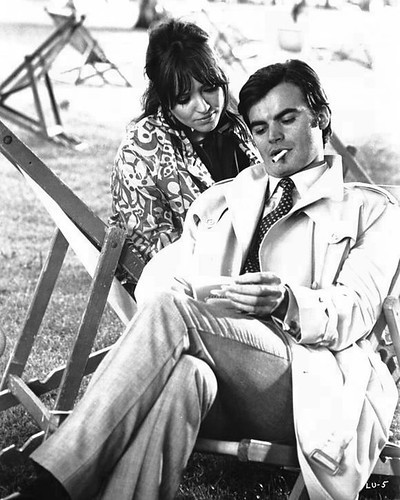
"He [Rex] took life lightly, and the only human feeling that he ever experienced was his keen liking for Margot, which he endeavoured to explain to himself by her physical characteristics, by something in the odour of her skin, the epithelium of her lips, the temperature of her body. But this was not quite the true explanation. Their mutual passion was based on a profound affinity of souls, though Margot was a vulgar little Berlin girl and he – a cosmopolitan artist." (118)


"There were stormy scenes at home, sobs, moans, hysterics. She flung herself on the sofa, the bed, the floor. Her eyes sparkled brilliantly and wrathfully; one of her stockings had slipped down. The world was swamped in tears." (124)
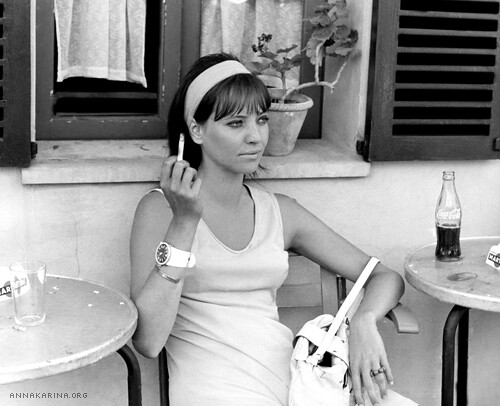


"Now Albunius saw her figure framed in the gay pattern of the beach; a pattern he hardly saw, so entirely was his gaze concentrated on Margot. Slim, sunburned, with her dark head of hair and one arm with the gleam of a bracelet still outstretched after her throw, she seemed to him an exquisitely coloured vignette heading the first chapter of his new life." (73)
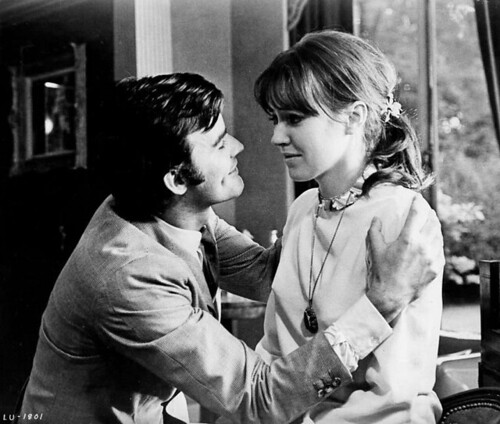
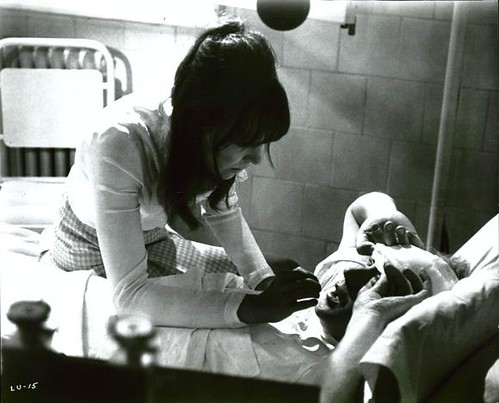
"Albinus’s speciality had been his passion for art; his most brilliant discovery had been Margot. But now, all that was left of her was a voice, a rustle, and a perfume; it was as though she had returned to the darkness of the little cinema from which he had once withdrawn her." (165)
View the rest of the images here.
Read more:
Nicol Williamson obituary
Excalibur star Nicol Williamson has just six mourners at his funeral
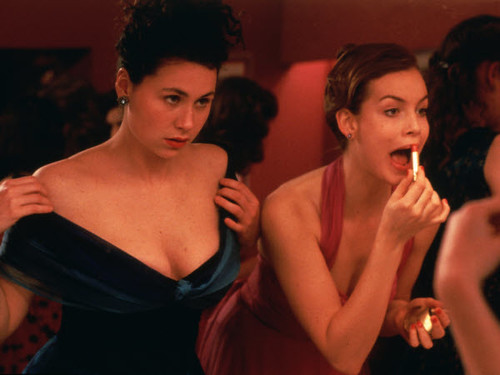
Minnie Driver and Saffron Burrows in the 1995 film adaptation of Binchy's bestselling novel Circle of Friends
As twenty somethings are loathe to do, a few weeks ago my friend Jean and I were dissecting our current situations (career, finances and relationships) and prospects for the future over tae. I'm trying to be positive and reflective with whatever hits me nowadays. We both see Maeve Binchy's book as a balm of sorts, as do generations of young Irish women, our mothers too.
Jean reached for her newly acquired kindle and brought my attention to a Binchy quotation she had highlighted in an article she had been reading. As with everything Binchy wrote, there's a sense of imparting wisdom, like a beloved aunt with a girlish heart, passing on her knowledge to make the difficulty of navigating your way through the obstacles of life a bit smoother, finding comfort in the knowledge that someone close to you grappled with similar situations, and came out the other side, warm personality intact.
"Learn to type. Learn to drive. Have fun. Write postcards. (Letters take too long and you won’t do it, a postcard takes two minutes.) Be punctual. Don’t worry about what other people are thinking. They are not thinking about you. Write quickly. (Taking longer doesn't usually make it better.) Get up early. See the world. Call everybody by their first name, from doctors to presidents. Have parties. Don’t agonise. Don’t regret. Don’t fuss. Never brood. Move on. Don’t wait for permission to be happy. Don’t wait for permission to do anything. Make your own life."

Maeve on the set of 'Circle of Friends', 1995. Binchy's international profile increased after her book was adapted into a film.
An ultimate autumn comfort of mine is curling up in my duvet before lights out and reading a chapter of a beloved Maeve Binchy book. I recently picked up a collection of her early short stories Dublin 4 in a charity shop, and read it on the train to Dublin. I lived in Dublin 4 for a time while I was an undergrad at UCD, and all the ups and downs of youthful naivety came flooding back. Her books are all so familiar, its like catching up with a dear friend, and one that has always been there for you.
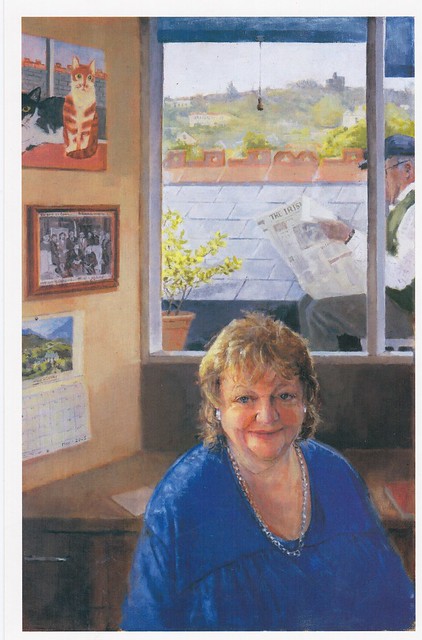
Maeve Binchy, 2005, by Maeve McCarthy, National Gallery of Ireland (source)
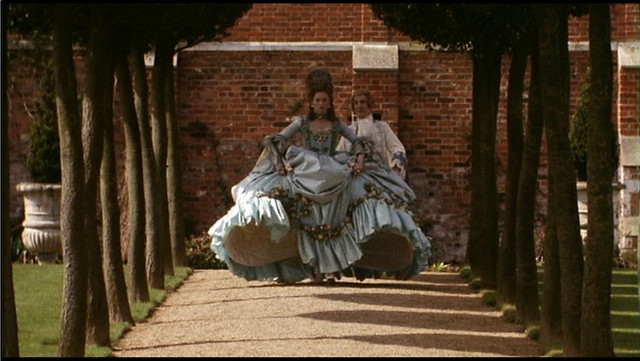
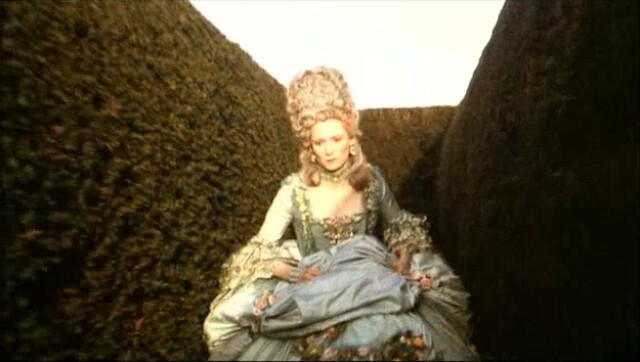
Two films I've watched this summer have been Orlando (1992) and The Portrait of a Lady (1996). Both are period dramas, directed by women, with only four years between their respective releases. Two scenes in particular, from both films, captured my imagination, as well as the costumes. Clothing for characters, as for us, reveals much about class, background and personality. Costume tells us much about the role of women in society, and for both genders, it reveals to us their social background. I don't pretend to possess anything beyond a superficial knowledge of nineteenth-century costume, but reading costume provides a richer history of a particular period, and the nineteenth-century into the twentieth-century was one of tremendous societal change, one that is most explicitly obvious though women's dress. In Orlando, they wear the large petticoats of the mid-Victorian period, whereas in The Portrait of a Lady, her skirts are much more suitable for a young woman travelling, but nonetheless long and cumbersome. What these costumes express is how women were bound to societal gender roles by corsets and impractical oversized or long, heavy layers of skirts and petticoats, representing a very particular ideal of femininity.
Both films feature tackle the subject of gender, with two strong female leads. The gloomy, almost Gothic mood of these films appeals to me, as we tend to associate this moodiness with the Byronic hero, this idea is subverted here. The moody psychic landscapes reflect in tone and feeling, the darker oppressive clothing of the characters. The fog of evening lingers over both scenes as these characters come to make the choice that will determine their lives going forward, and perhaps lead to the fog of uncertainty being lifted.
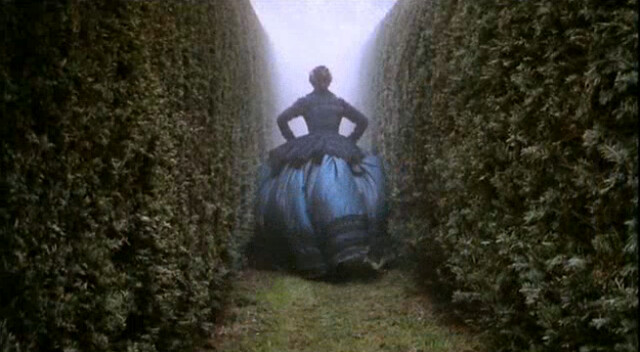
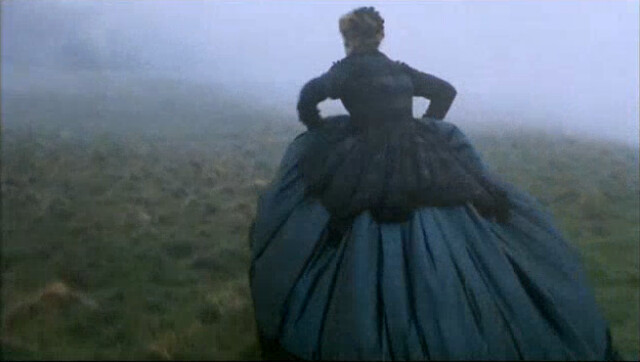
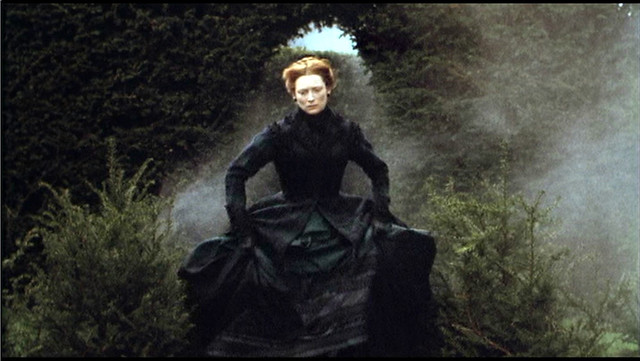
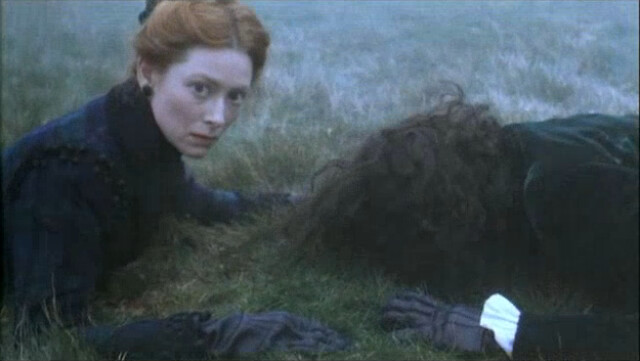
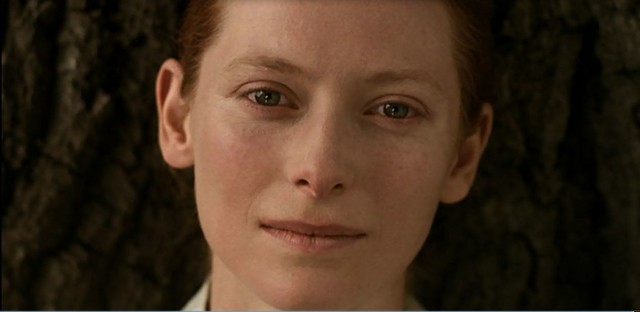
Orlando, 1992 (dir: Sally Potter) is adapted from Virginia Woolf's 1928 novel Orlando: A Biography. The costumes are by Sandy Powell (Shakespeare in Love, Interview with the Vampire). Tilda Swinton, plays the title role of the androgynous young nobleman Orlando. Orlando, the Queen's favourite, is demanded by Queen Elizabeth to remain forever young, and incredibly they do just that, living from decade to decade seeking love, poetry and ultimately the meaning of life. At one point Orlando changes gender, and the revelations that accompany this are aptly played out on screen. Our hero, turned heroine finds themselves (I will refer to Orlando in non gender specific terms) trapped between the intrigue and over-sized crinolines of 18th-century court life, with its egotistical poets and gossips, and salacious men. Alexander Pope informs the now Lady Orlando:
“Conversation, is a place where one plays with ideas, my dear lady, though one forges them quite alone. The intellect is a solitary place and therefore quite unsuitable a terrain for females, who must discover their natures through the guidance of a father or husband.”
When a former acquaintance asks for their hand, Orlando's aghast refusal, reveals to them the imbalance of power between the genders. In this standout scene (see below), Orlando recoils with their dignity intact, but struggles to exit the scene as swiftly as they would like, their silk skirts weighing them down and their perspective all astray. The scene is strongly charged, as our hero/ine struggles through the metaphorical labyrinth of the grand maze, just as they struggle through womanhood, before stumbling on the next period in their development as a woman - 'Sex', represented by the dashing figure of Billy Zane.
Formal or picturesque garden design was the height of fashion in England during the eighteenth century, as in most fashionable matters, England took its cue from the magnificent gardens of the French court. Orlando was filmed at Hatfield House and Blenheim Palace, and it appears that the 'labyrinth scene' was filmed in Blenheim Palace's Marlborough Maze ("the world's second largest symbolic hedge maze").
The Labyrinth scene from 'Orlando'
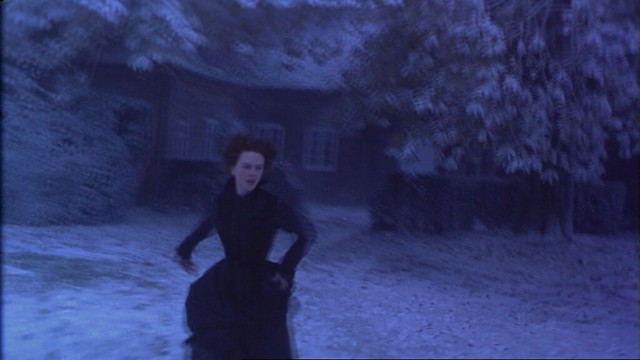
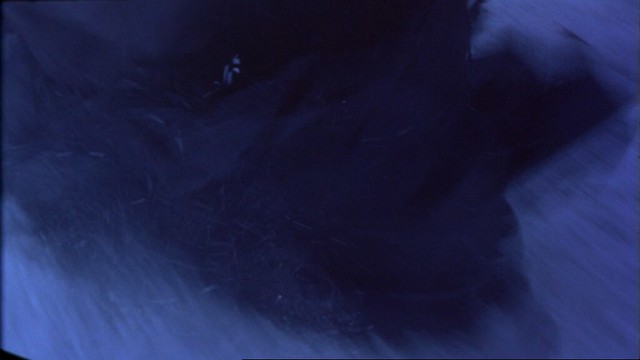
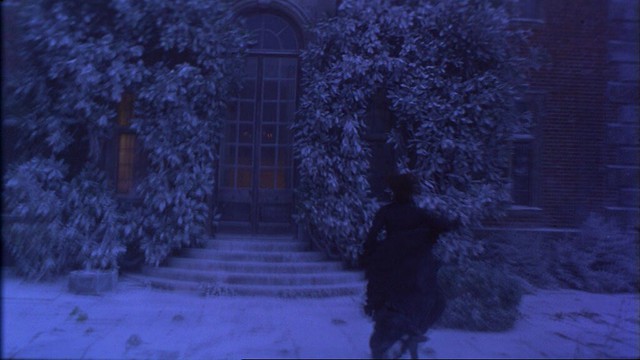
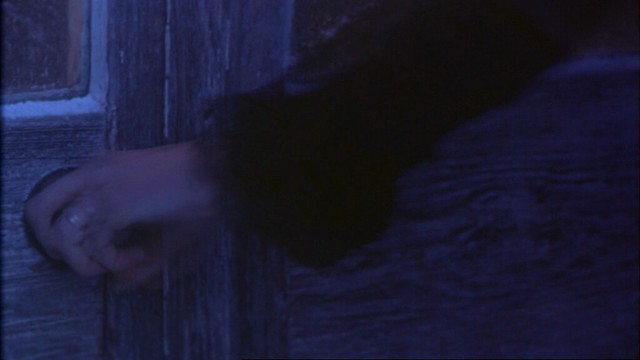
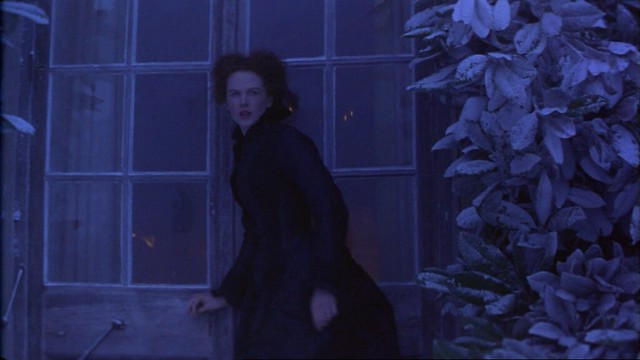
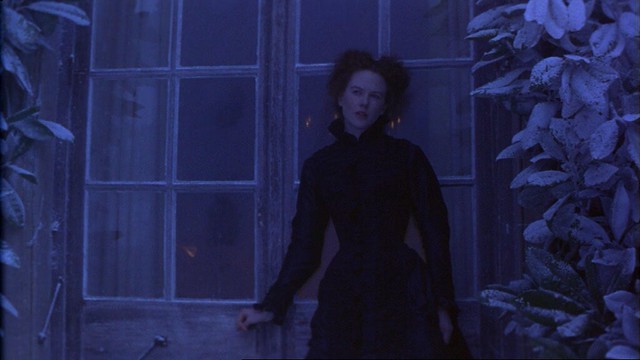
The Portrait of a Lady (1996) (dir: Jane Campion) is adapted from American author Henry James' 1881 novel. The costume designer was Janet Patterson (Bright Star, The Piano). Our heroine is Isabel Archer, a young American heiress, who has come to England to visit relatives, and to 'find' herself, with the intention of embarking on her own Grand Tour. Being an educated young woman, from a good background, she is highly eligible and sought after. Isabel refuses the advances of her young suitors and quickly departs to Italy, where she makes some unfortunate acquaintances and finds herself coerced into a union with the penniless but charming American Gilbert Osmond (John Malkovich, who seems to have excelled at playing dastardly charmers in 90s period films). The film is highly sensual at times, as our young heroine seeks life and love, making naive mistakes along the way. In this final scene, Isabel realises that in order to be her independent self, despite her sexual desires (which women weren't expected to possess), she must be free, and alone to pursue her dreams, for in the role of wife, she would be expected to be the submissive partner in the marital arrangement.
The slowed down frames allow us to observe Isabel more closely as she contemplated her decision (and the deceptive amount of layers to her dress!). She surrenders this final temptation, in order to become herself, truly independent and free. Instead of entering the house as soon as she reaches for the door handle, Isabel turns her body to face our gaze, a contemplative look plays across her face, neither sad or outwardly happy. John Gielgud's character, the aging Mr. Touchett, Isabel's confidante, in a revealing quote on 'self' tells Isabel:
“When you have lived as long as I, you will see that every human being has his shell, and that you must take the shell into account. By the shell I mean the whole envelope of circumstances. There is no such thing as an isolated man or woman; we are each of us made up of a cluster of appurtenances. What do you call one's self? Where does it begin? Where does it end? It overflows into everything that belongs to us - and then flows back again... One's self - for other people - is one's expression of one's self; and one's house, one's clothes, the books one reads, the company one keeps - these things are all expressive.”
In the Victorian period women were expected to be the 'Angel of the House'. Women have to fight for the right to be alone, and were scathingly referred to as 'spinsters', for their seeming inability to catch husbands with their feminine charms (maybe they just didn't have time for that BS eh?), while men often enjoyed bachelor status well into middle age, often then settling down to marry women half their age. Orlando chooses to enjoy sexual relations with another man in the infamously laced up context of the Victorian period. Isabel experiences desire too, but in the strict social conventions of the period, she can only truly enjoy those relations within the confines of marriage. In a marital arrangement, by societal standards of the time certainly, no matter how her husband encouraged her, her husband's needs would come first. Now do you see what I did in the post title, 'No Angel', huh, you get it?
Orlando is also searching for self, becoming accustomed to the restriction of their new female gender. Shocked by a former male acquaintances advances, they rebuff him only to be told that 'she' will end up alone and a spinster. A threat not unfamiliar to many young, unattached young women. In the final scene, Orlando gazes confidently out at us, the viewer, having reached their own revelation.
The characters struggle both metaphorically and physically against their gender roles. You'll notice in the above scenes both directors focus on the weighty quality of the skirts, in their attempts to flee from masculine constraints they are literally weighed down by the clothing and metaphorically by all that it represents in that particular society. Sound also plays a conscious part in the representation of dress in these two films, a subtlety I love and that can only be communicated through the medium of film, unlike a painting alone. Campion's Isabel tinkles delicately as she moves, wearing all the baubles of a heiress, and a lady, a bird in a gilded cage. Potter's Lady Orlando's dress rustles impatiently as it is hitched up and dragged across the earthy ground and against the pruned shrubbery of the maze, in her desperation to escape, troubling with movement is not something Orlando had to contend with as a man.
British and American audiences respectively, have always held a fascination with period dramas, each generation sees a revival of certain popular novels. These two films no doubt presented challenges, as they are both ambitious projects, but are ultimately most satisfying to watch, and yet are still severely underrated. This post was a little meandering, but I hope it will encourage you to watch both of these films (ignore the IMDB ratings in these cases!), and to pay more attention to the beautiful subtleties of dress and costume in film, period or otherwise. Buttons, embellishments, cuts, all have their part to play in the interpretation of a character.
Over the Christmas, as a present to myself, I treated myself to Magnum Ireland, a beautiful compilation of photographs of Ireland, rural and urban, north and south, east and west, from the 1950s to the 2000s, as seen through the lenses of iconic Magnum photographers, such as Henri Cartier-Bresson, Elliott Erwitt, Josef Koudelka, Inge Morath, Erich Lessing, Eve Arnold, Martine Franck, Martin Parr, Bruce Gilden, Donovan Wylie, Stuart Franklin, and others. The international scope of the book enriches the pages.
Legendary photographer, Eve Arnold (1912 – 2012) passed away on Wednesday last, January 4th. Arnold was one of the first female photojournalists to join the prestigious Magnum Photography Agency in the 1950s. Her diverse body of work included not only portraits of Marilyn Monroe, Joan Crawford and Marlene Dietrich but poignant images of the West of Ireland in the mid-seventies, as the country and the West was rapidly changing, old ways of life modernising, old traditions being lost.
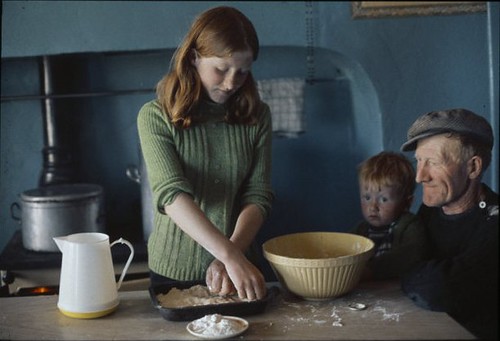
Eve Arnold, The daughter of the house makes soda bread, Aran Islands, 1974. (Copyright Magnum Photos).
Some more of Eve Arnold's images of Ireland can be seen here, and other images of Ireland taken by Magnum photographers, can be seen here at Slate.
There is a hint of the romance of "traditional" Ireland contained here, yet it lacks a picture postcard sentimentality. It speaks of something real, something dwindling. The contented faces of the characters are what I enjoy the most. As an outsider, Arnold is capable of capturing something of the last frontiers of tradition in a modernising world.
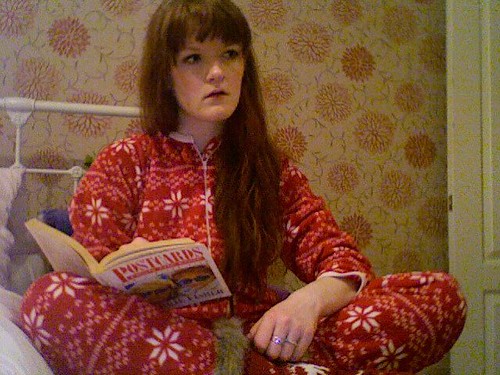
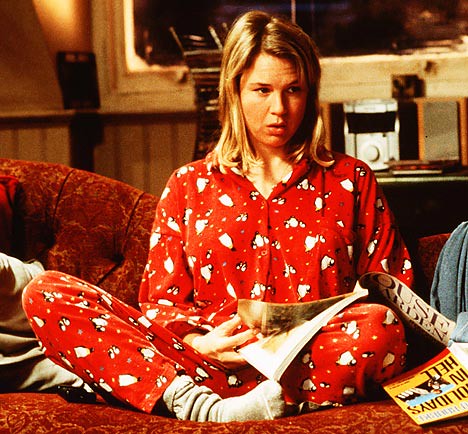
I can't believe I'm putting pictures of myself in a ONESIE on THE INTERNET. After the firemen incident the whole world may as well know about my favourite item of clothing. A number of my friends (and strangers and postmen and neighbours) have seen my wonderful, festive PJs, so I am sharing my glamourous life with you all, here on My Blog.
Note the use of the 'personal style' tag.
This is my contribution to Kendra's Vivien Leigh and Laurence Olivier Appreciation blog-a-thon, running this weekend, July 9th & 10th.
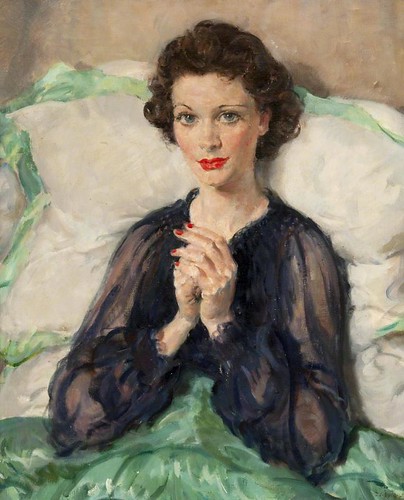
Vivien Leigh (1913–1967) by Thomas Cantrell Dugdale, c. 1936
Owned by Glasgow Museums, on display in Kelvingrove Museum and Art Gallery.
This post was inspired by a portrait of Vivien I unwittingly stumbled across in Kelvingrove Museum and Art Gallery a few weeks ago. Considering I am studying art history, I thought it would be appropriate subject matter for me, combining two of my loves!
Vivien Leigh was a well known name in the late 1930s, we know she toured with The Doctor's Dilemma in 1942 which played in Glasgow and Edinburgh. In 1936 The Happy Hypocrite went on tour, but I'm not sure if it played in Glasgow, though it did in Manchester. Unfortunately, there is little information on Vivien and her time in Scotland, so I can't really explain why this portrait ended up in Glasgow. I do know it was acquired by Glasgow Museums in 1936, the year it was painted. I don't know who commissioned it, nor why.
Vivien appears to be sitting upright in bed, the sheets pulled up to her waist, in an attractive gauzy nightgown, the black standing starkly out against the delicate background of the green and white sheets and pillows that surround her protectively. The glamour of her position is recognizable, with her fashionably teased hair, thin eyebrows, that striking red lipstick and highly polished red nails. She clasps her hands to her chest in an almost nervous, anticipatory gesture. Her expression is a little sad as she gazes questionably at the viewer.
The bed scene is an unusual one for portraiture, where sitters usually are depicted in settings appropriate to their position. Looking at this portrait retrospectively we can sadly reflect that Vivien did spend a significant amount of time bed bound, owing to her delicate health, so perhaps this setting is appropriate, but why the artist chose to paint her here - was it by choice or the situation he found himself in? Vivien's nervous, restless character is alluded to in Alan Dent's biography 'Vivien: A Bouquet' I found an entry from Oswald Frewen's diaries for Monday, August 31st, 1936:
'Returning to the Vivling's, and she came in with Laurence Olivier and an influenzal throat and chill. O. opined rum, and I popped over to the Pitt's Head and amused them by asking them to give me some in the tumbler I brought with me ... We pumped it into the Vivling with hot water added and sugar and she hated it... Larry was just amusing. He couldn't make out what I was doing in the house, why Viv was interested in my purchase of rum, nor least of all why I should sit on her bed and propose to 'talk her to sleep' after he had gone. He tried and tried and tried again to establish the fiat that we all leave her; she was wakeful. I said I had a voice calculated to put anyone to sleep in 10 minutes; Vivling agreed (with a seraphic smile); larry was not amused. Rang up next morning to ask how she was and who was the 'smasher (trade term for stage-door pushful over-enthusiasts)!'
Thomas Cantrell Dugdale RA was a British painter, born in in 1882 (d. 1952). During the Great War he served in Egypt, and painted a number of portraits of Air Marshalls and those serving on the front line, including nurses. His work was varied, he painted portraits of everyday people from fishermen to mothers as well as many exotic middle eastern landscapes, to street scenes of London. Not much is known about him, but from what I've seen, his palette can be bright and imitative of natural light, to solemn for more serious portraits, but bestowing all his subjects with an upright bearing and dignity.
His paintings seem to appear regularly at auction, including a number of society portraits. The one of Vivien above appears to be in this society portrait vein, but somewhat curiously, unlike the other portraits of Dugdale's I have seen she appears to be depicted as sitting in bed, which seems an out of the ordinary setting for a portrait. See also his portraits of silent movie actress Maudie Dunham, Lady Dorothy Etta Warrender, Wendy Hillier (held in the National Portrait Gallery) and Jessie Matthews (apparently in Andrew Lloyd Webber's own collection).
What was Vivien doing in 1936?
The year previously (1935) to this portrait being painted, Vivien had become an overnight sensation, having been discovered in The Mask of Virtue, which ran in London's West End. In 1936, she starred in The Happy Hypocrite alongside Ivor Novello. As for her personal life at this time, she had a young daughter, was a rising star in London's theatre world, and it was around this time that her affair with Laurence Olivier began, in 1937 their first film together Fire Over England was released.
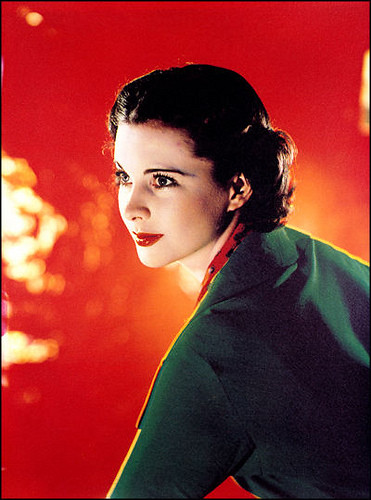
Vivien sat for the society photographer, Madame Yevonde in 1936. It is interesting to be able to make comparissons between the two, to see how faithful the depiction of Vivien was. Of course, the methods being quite different. I love the contrast between the two depictions, in Cantrell's painting Vivien is cooly beautiful and elegant, a small smile playing across her face. In Yevonde's photograph we can see the vivacious Vivling that we love, a mischievous smile, a light dancing in her eyes, all fire and ambition - perhaps she'd seen Larry that day? She was clearly London's darling, at the height of her theatre career, her talent, charisma and beauty attracting painters and photographers alike, who wanted to capture her spirit on canvas and film. I love that she is wearing bold red lipstick in both representations, this says something about her too, always ready for her close-up, no matter where. Yevonde photographed other subjects depicted by Cantrell, such as Lady Dorothy Etta Warrender, mentioned above.
If you can tell me anything more about Vivien in Scotland, or about this artist or particular painting, please get in touch! Comments are very much welcomed!
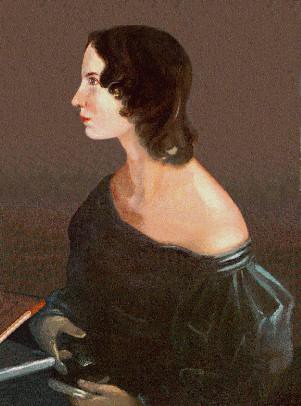
source.
Emily Bronte was born on July 30th 1818 at Thornton, Bradford in Yorkshire, the fifth child of the six children.
Her most celebrated and indeed only novel, Wuthering Heights was published in 1847 under the pseudonym Ellis Bell.
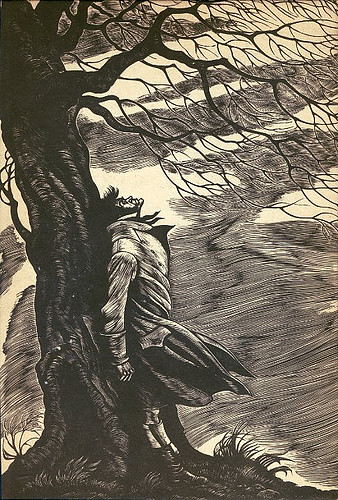
Illustration by Fritz Eichenberg for 1943 Random House edition.
For a clergyman's daughter, Emily harboured some curious views about life and death, and indeed the afterlife. The gothic workings of her mind are spilled out on the pages of Wuthering Heights. Her father, Patrick, encouraged his children's independent learning and even indulged Emily's refusal to attend Sunday services. Charlotte described her sister as 'a solitude-loving raven, no gentle dove'.
Wuthering Heights is a profound work of the imagination, brimming with 'wickedness' and 'villany'. Emily (although assumed to be a male) was described as an author 'who goes at once fearlessly into the moors and desolate places'. One critic advised that the book be burned.
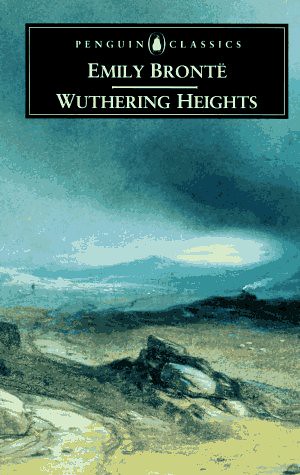
Emily was most at home on the wild moors, much like a heroine from her own work. Her intense love for the Yorkshire landscape that surrounded her is reflected in Wuthering Heights. The sharp northern air, the springiness of the heather and the gloom of the desolate moors are all set out in such lush and graphic detail. Words were Emily's oils and the paper upon which she wrote her canvas. The gothic eeriness of Emily's descriptions of interiors and landscapes in Wuthering Heights conjure up associations with Plath's psychic landscapes. Emily was influenced by the metaphysical works of Lord Byron and Walter Scott, her own childhood experiences at boarding school, the death of her mother and siblings. The macabre and unnatural excited her ghoulish imagination.
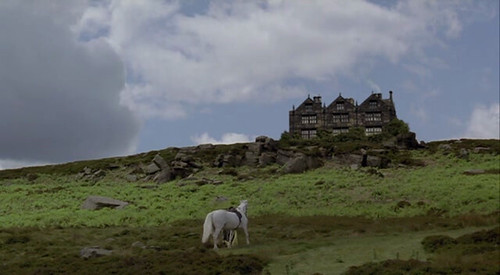
Still of the Wuthering Heights from 2009's Wuthering Heights adaption.
For you see, Wuthering Heights is no mere romance gone sour, it's the story of more than one woman's life, the characters are tangled in an emotional and ultimately destructive web their author has created for them and for herself. It poses moral questions; questions the existence of God and an afterlife, it struggles to find the boundaries between obsession and love, ideals of masculinity and femininity are Emily's dark creativity is all encompassing, perhaps exacerbated by her own seclusion from the world outside her own immediate physical and emotional world.
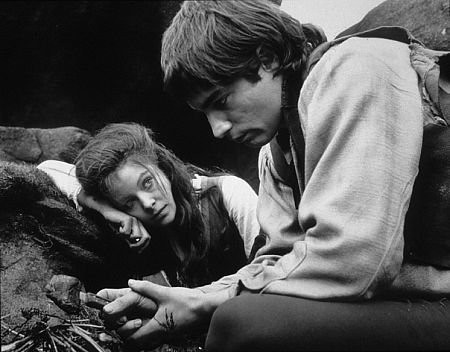
Wuthering Heights, 1970.
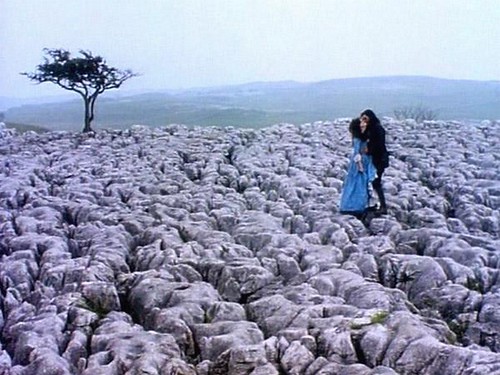
Wuthering Heights, 1992.
source.
The lives of the Bronte's was an ill-fated one, two sisters died in their childhood (1825) and the only brother Branwell's dependence on drink and opium heightened his sense of self pity and worthlessness. Emily passed away in December 1848, aged thirty years old. Branwell had died three months beforehand of consumption, at thirty-one. Anne died the next year, aged twenty-nine and Charlotte followed her sisters six years later in March 1855. Patrick Bronte outlived all his children, he died at Haworth in 1861, aged eighty-four.
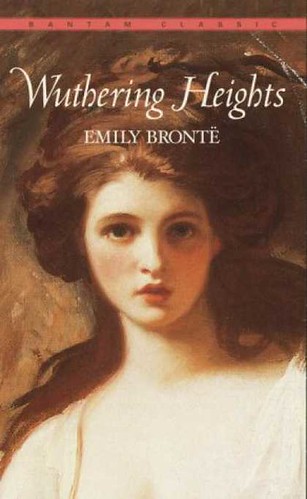
I've found people either love it or hate it, and isn't it great that Emily was able to rouse such opposing emotions in her readers?! Of course I'm the former! This book is a rebel yell against the feminine constraints of Victorian society. Sexual frustration, violence, resentment, human frailty, suffering and mortality all come into cruel play in this ultimate gothic 'romance'. (If you like your romance ultimately destructive and leaving you feel distressed that is). I like to feel that Emily built a little of herself into Heathcliff, it was how she could masquerade in male form and give the (intellectual) finger to the patriarchy by making him as brutal as possible.
"I'm wearying to escape into that glorious world, and to be always there; not seeing it dimly through tears, and yearning for it through the walls of an aching heart; but really with it, and in it." (Wuthering Heights, 1847, Emily Bronte).
Further reading:
BrontëBlog
Bronte Sisters, Haworth
Emily Bronte, Poet of Solitude
Wuthering Heights community
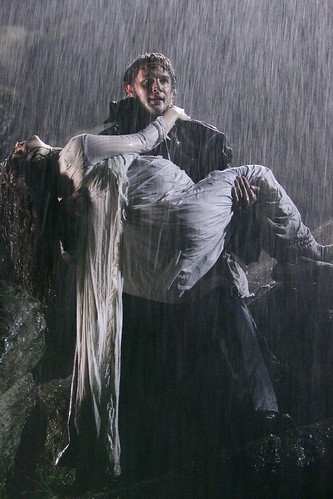
Wuthering Heights, 2009.
Film/tv adaptions:
Wuthering Heights, 1939
Abismos de pasión, 1954
Wuthering Heights, 1970
Wuthering Heights (TV), 1978
Hurlevent, 1985
Emily Bronte's Wuthering Heights, 1992
Wuthering Heights (TV), 1998
Sparkhouse (TV), 2002
Cime tempestose (TV), 2004
Wuthering Heights (TV), 2009
Wuthering Heights, 2011
Wuthering Heights, 1992.
source.
I wrote this to celebrate my heroine Emily Bronte, on International Women's Day 2011.

